Smile Center Dentistry offers Dental Crowns And Bridges in zirconia, e.max, and porcelain-fused-to-metal, and we'll walk through which material actually fits your case and budget.

These are the four things patients actually ask about before booking Dental Crowns And Bridges, not a generic checklist we copied from another service page.

A digital scanner captures the exact shape needed for your crown or bridge, replacing the old putty-tray impression.
Zirconia, e.max, and porcelain-fused-to-metal each have different strength, appearance, and cost tradeoffs — we'll walk through them clearly.
We'll assess whether your tooth has enough natural structure remaining or needs reinforcement first.
If a crown or bridge doesn't fit right, adjustment is covered within the warranty period at no extra charge.
Here's the range of Dental Crowns And Bridges our Algona team handles most, described the way we'd explain it chairside rather than in marketing language.
Zirconia is highly durable and well-suited for back teeth that handle heavy chewing forces. Zirconia crowns typically require less tooth reduction than older all-metal options.
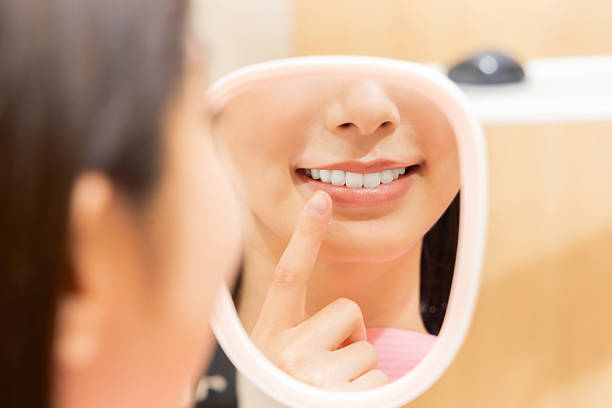
It's slightly less impact-resistant than zirconia, which factors into where we recommend using it. Most patients choose e.max specifically for how natural it looks next to surrounding teeth.
This remains a solid option for back teeth where a slight metal margin isn't a visible concern. PFM has decades of clinical track record behind it.
A fixed bridge replaces one or more missing teeth by anchoring to the natural teeth on either side of the gap. Bridges are typically completed in two visits with a temporary in between.
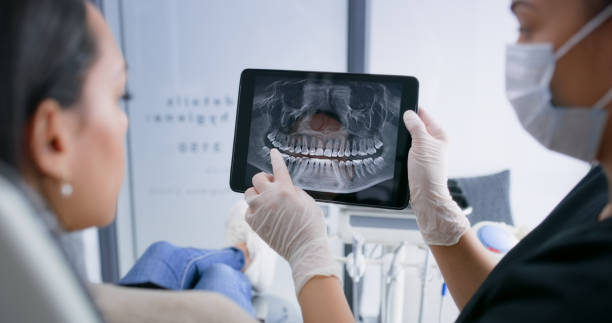
This step is assessed case by case, not applied automatically to every crown. We'll show you the X-ray reasoning if a buildup is recommended.
We'll tell you honestly if a repair will realistically hold up, rather than patching something that needs full replacement. Replacement is recommended when the underlying tooth or fit has changed significantly.

Here's exactly what to expect, start to finish, for Dental Crowns And Bridges at any of our affiliated offices.
Describe the damaged tooth or gap and we'll schedule an exam and X-ray, often within the same week.
We scan the tooth digitally and walk through material options — zirconia, e.max, or PFM — based on your case.
Any post-and-core buildup is included in the quote if needed.
The permanent crown or bridge is fitted, checked for bite, and adjusted until it feels right.

These are unedited, from patients who've actually been through Dental Crowns And Bridges treatment with us in the past year.
“They walked me through zirconia versus e.max for my case and I ended up choosing based on which tooth was actually visible when I smile.”
“Digital impression meant no more gagging on that awful putty tray from my last dentist. Fit was perfect on the first try too.”
“My old bridge was failing and they gave me an honest comparison between repairing it and just replacing it outright.”
“Post-and-core buildup after my root canal made sense once they showed me the X-ray. Crown has held up great since.”
“PFM crown on a back molar was the practical, affordable choice and they didn't push the pricier options on me.”

Straight answers to what people actually want to know before committing to Dental Crowns And Bridges.
We'll recommend based on which tooth is involved and your priorities between strength, appearance, and cost.
Regular checkups help us catch wear or damage early, extending the restoration's lifespan.
Not every crown needs this step; it depends on how much natural tooth remains.
A bridge relies on adjacent teeth for support; an implant doesn't, which factors into the recommendation.
If the underlying fit or tooth structure has changed significantly, replacement is usually the more durable choice.
Most cases take two visits, with a temporary restoration protecting the tooth in between.
If you're unsure whether your part of Algona is covered, a quick call settles it faster than searching online.
Our Dental Crowns And Bridges team serves Algona and the surrounding area, with digital impression technology available in-office for a precise, comfortable fit. If you're comparing a bridge to an implant, the assessment visit is the right place to ask both questions.